Highbridge StudiesRenovations
Cost segregation for renovations
A renovation can have its own cost segregation study. The parts of the work with 5 or 15 year lives can generally be written off in the first year with federal bonus depreciation, instead of over 27.5 or 39 years with the building.

The short answer
- Can a renovation have its own study? Yes. The work is depreciated as its own property, separate from the building.
- What does the study do? It sorts the renovation cost into 5 year, 15 year and 27.5 or 39 year property.
- Bonus depreciation? On the federal return, the 5 and 15 year parts can generally be written off in full in the year the work is finished, for work that began after January 19, 2025.
- Against other income? The deduction first lowers the income from the building. Using a loss against wages or business income depends on the passive activity rules.
- New York and New Jersey? No bonus depreciation on the state returns, but the shorter lives still apply.
Without a study
Renovation work on a rental building is an improvement, and an improvement is not deducted in the year it is paid. It is added to the books as its own property and depreciated from the day it is finished and in use.
Without a breakdown, the whole cost usually goes on the schedule as part of the building: 27.5 years for a residential rental, 39 years for an office, store or other commercial building. A gut renovation finished this year is still being written off a generation from now.
What a study does
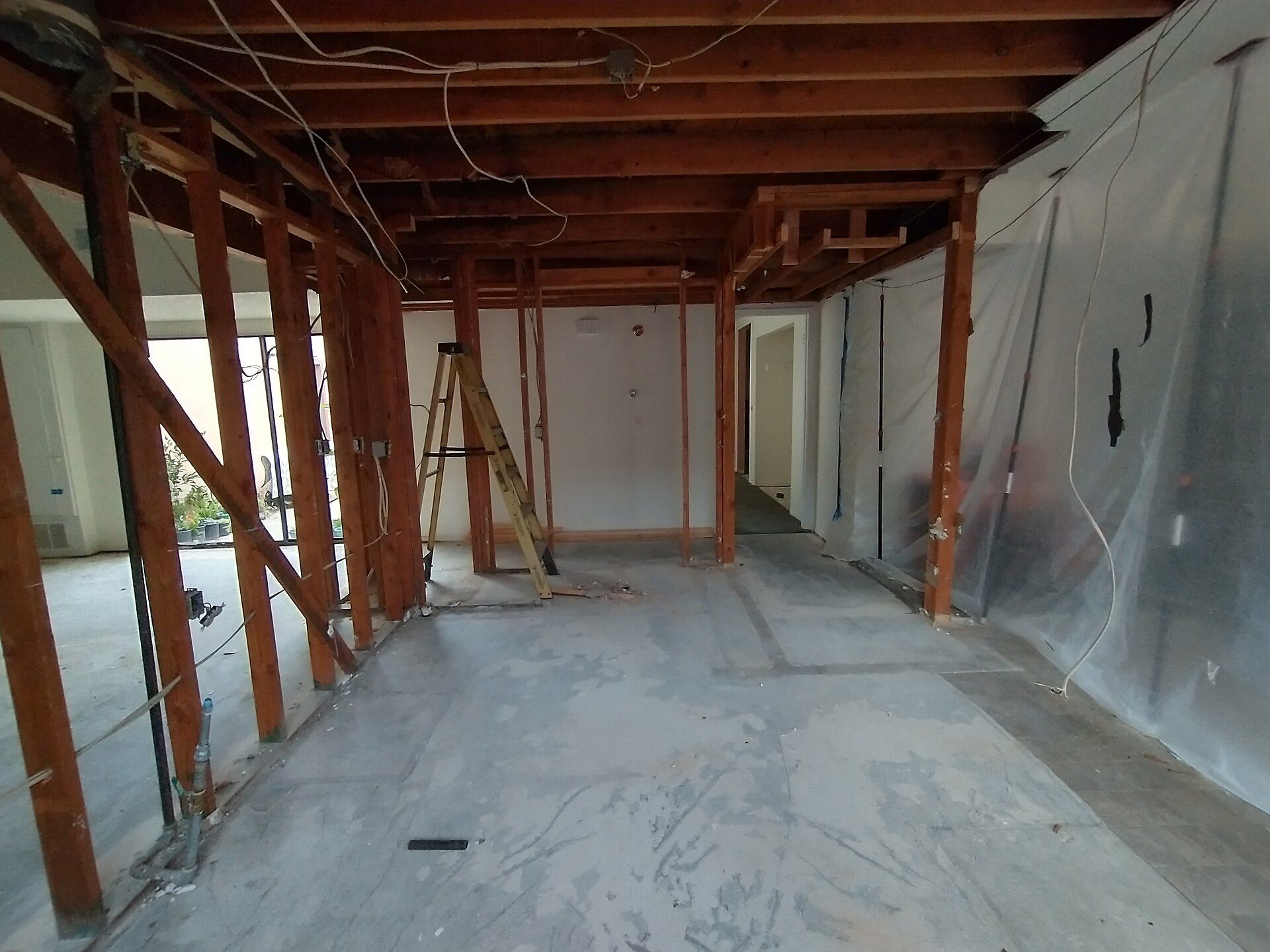
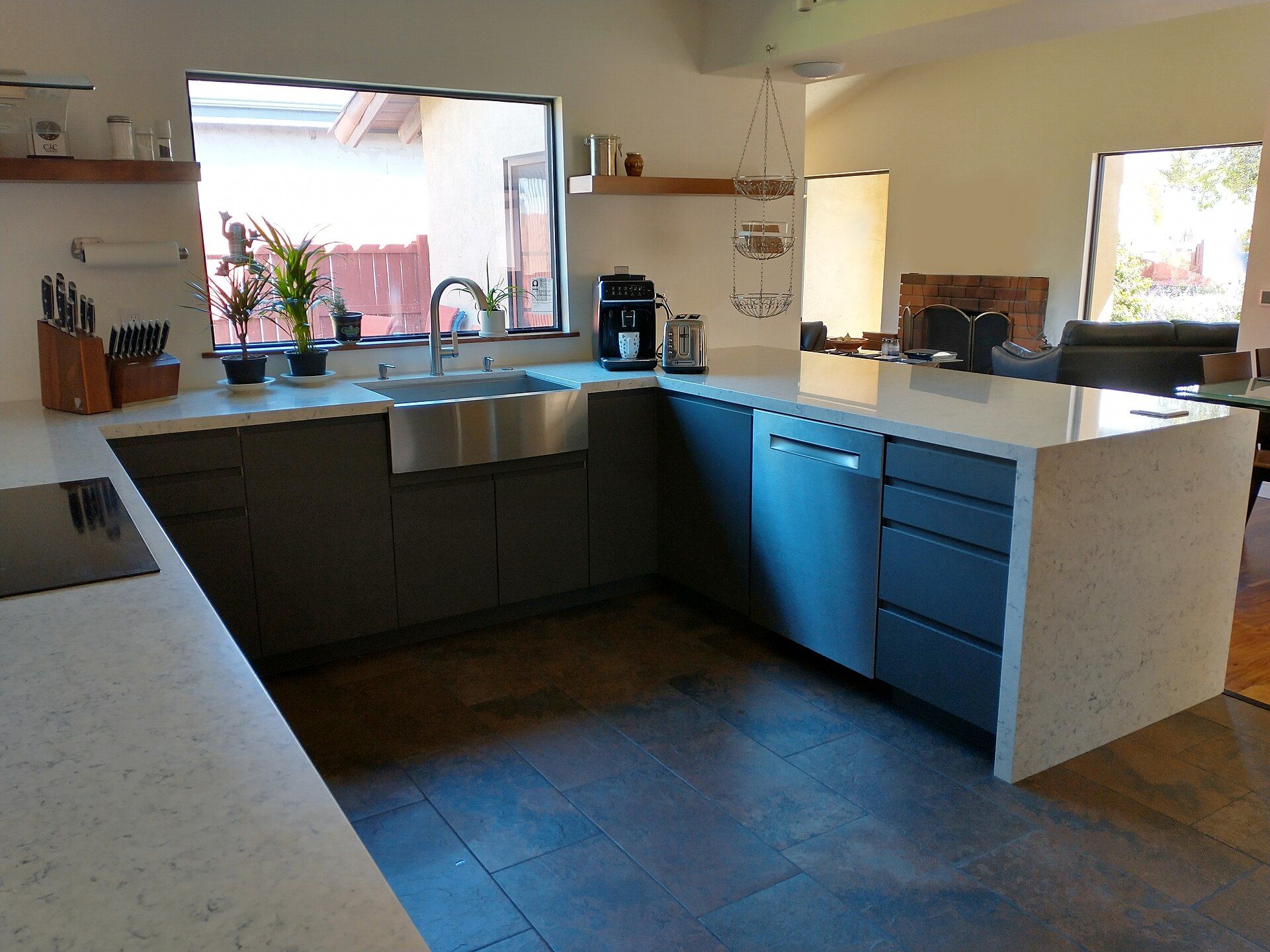
A renovation is not all structure. A new kitchen brings appliances. New flooring may include carpet or vinyl that is not permanently attached. Rewiring includes circuits that serve only the range, the dishwasher or the washer and dryer. Work outside may add a new walkway, paving, fencing or planting.
Federal tax law gives those parts shorter lives than the building. A cost segregation study finds them, assigns each a cost from the project records, and places each in its depreciation class.

The classes, for a renovation
| Life | Typical renovation items | Federal first year |
|---|---|---|
| 5 years | Appliances, carpet and vinyl that is not permanently attached, wiring dedicated to appliances, data and cable wiring, window blinds | Can generally be written off in full with bonus depreciation |
| 15 years | Sidewalks and paving on the lot, fencing, retaining walls that do not hold up the building, landscaping, site lighting | Can generally be written off in full with bonus depreciation |
| 27.5 or 39 years | Walls, framing, roof, windows, doors, plumbing, heating and cooling, general lighting, kitchen and bath cabinets, counters and sinks | Depreciated over the building’s life |
Every item turns on how it is installed in your building. The lists follow the residential rental guidance in the IRS Cost Segregation Audit Techniques Guide. See depreciation classes for more.

Bonus depreciation on renovation work
A federal law signed in July 2025 made the full first-year write-off permanent for property acquired and placed in service after January 19, 2025. It applies to property with a life of 20 years or less, which covers the 5 and 15 year parts of a renovation. The structure does not qualify.
For renovation work, the date that generally matters is when the work began, not when the building was bought. A building bought years ago and renovated now can still qualify.
- Work begun after January 19, 2025: the 5 and 15 year parts can generally be written off in full in the year the work is finished and in use.
- Work begun earlier and finished later: the older phase-down rules generally apply, which allow a smaller first-year write-off or none. An election may let parts acquired after January 19, 2025 qualify in full on their own.
- The year it counts: depreciation starts when the work is finished and the space is ready for use or offered for rent, whether or not a tenant has moved in.
The cost segregation calculator gives a rough federal estimate for a whole building. For a renovation, the same idea applies to the cost of the work. Bonus depreciation has more on the law.
Using it against income
Depreciation is a deduction. It first lowers the taxable rental income from the building. A large first-year deduction can wipe that out and leave a loss. Whether the loss lowers tax on other income, such as wages or business income, depends on the passive activity rules:
- Most rental owners: a rental loss is passive. It can offset other passive income. Owners who actively participate, by approving tenants and setting rents for example, get a limited allowance against other income, which shrinks and then ends as income rises.
- Real estate professionals: owners who qualify under the tax law’s hours tests, and materially participate in the rental, can generally use the loss against other income. See real estate professional status.
- Short-term rentals: different rules can apply. See short-term rentals.
- A loss you cannot use yet: it carries forward to later years, and is generally released when the property is sold.
Which of these fits your situation is for your accountant. Passive loss rules covers them in more detail.
Repairs and improvements
Not every cost on a renovation invoice is an improvement. Work that only keeps the building in its normal working condition, such as patching or repainting, can be a repair, which is generally deducted in the year it is paid. Work that betters, restores or adapts the building to a new use is an improvement and is depreciated.
Your accountant draws that line. A study helps by listing what each dollar of the project actually bought, line by line, so the call can be made with the records in hand.
The records a renovation already has
A renovation leaves a better paper trail than most purchases. The contractor’s schedule of values, pay applications, invoices, change orders and drawings show what was installed and what it cost.
Highbridge Studies reads those records in full and walks the property to see how each item was installed, because the class turns on that. Every cost in the report traces back to a document, and the report is prepared to the IRS Cost Segregation Audit Techniques Guide.
If the work is still under way, the timing is good: the records are current, and the study can be ready for the return covering the year the work is finished. A renovation finished in an earlier year can still be studied; see look-back studies.
An example in words
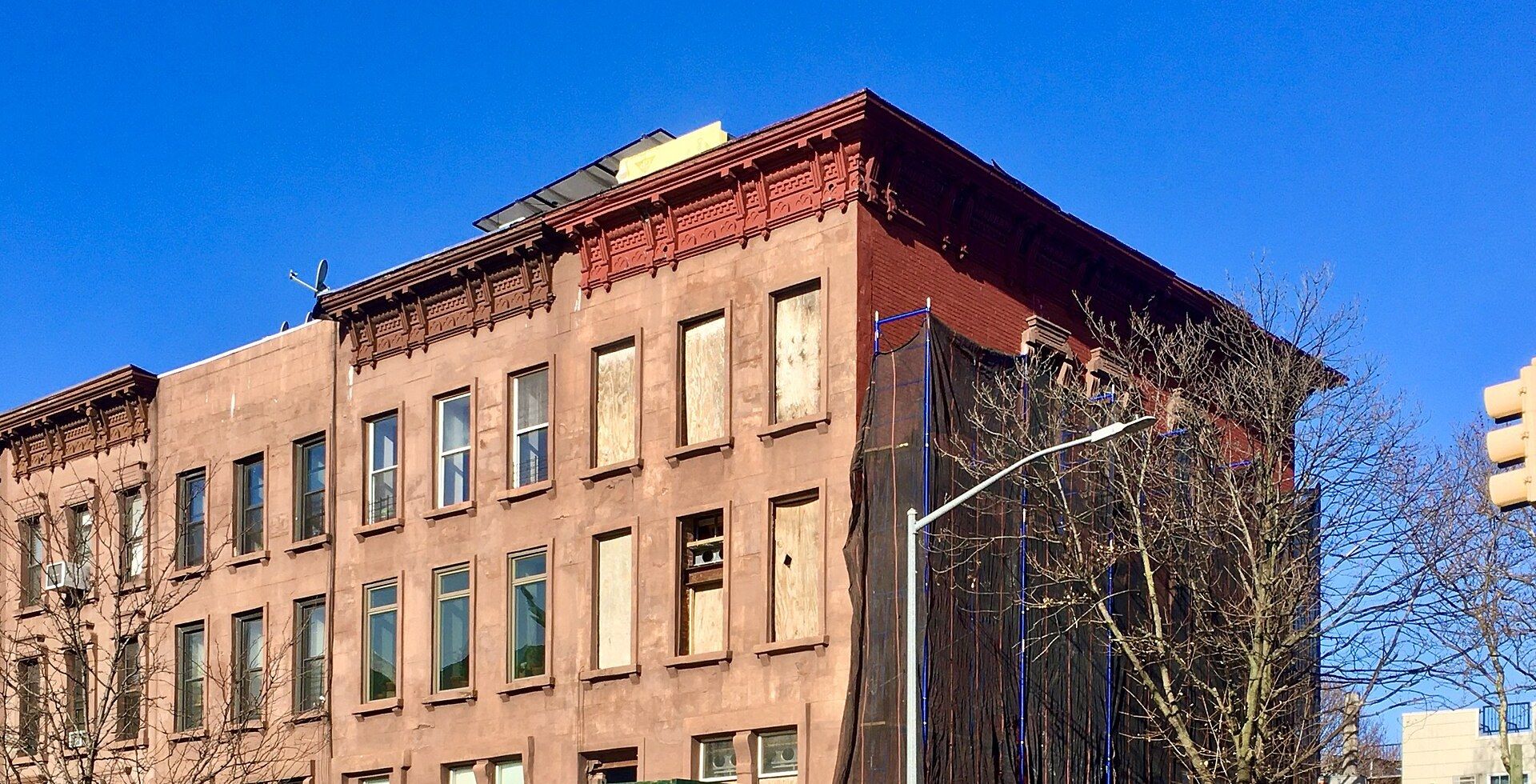
An owner guts four apartments in a Brooklyn walk-up, with work starting in the spring of 2026. Each apartment gets a new kitchen with new appliances, new vinyl flooring and new wiring. The rear yard gets new paving and a fence.
Without a study, the whole cost goes on the schedule at 27.5 years. With a study, the appliances, the floor covering and the circuits dedicated to the appliances are generally 5 year property, and the yard paving and fence are 15 year property. On the federal return, those parts can generally be written off in the year the apartments are finished and offered for rent. The walls, cabinets, plumbing and the rest of the work stay on 27.5 years.
On the New York return, the same 5 and 15 year parts are written off over their own lives instead. See New York and New Jersey.
For your accountant
A cost segregation study assigns a cost and a depreciation class to each asset. How those figures are used, including bonus depreciation, state treatment and the effect on tax, is for your accountant to decide. The page for accountants describes the fixed-asset schedule that comes with every report, and the study process covers each step. Depreciation recapture on a later sale is a separate question.
Sources
- IRS Publication 527, Residential Rental Property, for improvements, repairs and when a rental is placed in service
- IRS Publication 946, How to Depreciate Property, for class lives and bonus depreciation
- IRS Cost Segregation Audit Techniques Guide (Publication 5653), for how residential rental items are classified
- IRS Notice 2026-11, interim guidance on bonus depreciation under the 2025 law
- Public Law 119-21, the federal tax law signed in July 2025
- Treasury Regulation 1.168(k)-2, for when renovation work counts as acquired
- Treasury Regulation 1.263(a)-3, for repairs and improvements
- IRS Publication 925, Passive Activity and At-Risk Rules
Questions
Can I get a cost segregation study on just a renovation?
Yes. Renovation work is depreciated as its own property, separate from the building, so a study can cover the renovation alone. The building does not need to have been bought recently, and an earlier study of the building is not required.
Does renovation work qualify for bonus depreciation?
The parts of the work with lives of 20 years or less generally do, such as 5 year and 15 year property. For work that began after January 19, 2025, the federal law allows those parts to be written off in full in the year the work is finished and in use. The structure itself, at 27.5 or 39 years, does not qualify. Your accountant decides how it applies to your return.
Are new kitchen cabinets 5 year property?
Generally not in a residential rental. The IRS guide treats kitchen cabinets, counters and sinks in an apartment as part of the building. The appliances, floor coverings that are not permanently attached, and the wiring dedicated to the appliances are the parts that generally qualify as 5 year property.
Can the deduction lower tax on my salary or business income?
It depends on the passive activity rules. The deduction first lowers the taxable income from the building. A loss beyond that can offset other income only in some cases: a limited allowance for owners who actively participate, which shrinks as income rises, and broader use for qualifying real estate professionals. Otherwise the loss carries forward. See passive loss rules.
What if the renovation was finished in an earlier year?
A study can still be done. Your accountant generally takes the missed depreciation as a single catch-up on the current return through a change in accounting method, without amending earlier returns. See look-back studies.
Do New York and New Jersey allow bonus depreciation on a renovation?
No. New York State, New York City and New Jersey do not follow federal bonus depreciation. The parts a study identifies still use their shorter lives on the state return, so they are written off sooner than the structure, just not all in the first year.