Highbridge StudiesNewark and Essex County
Cost segregation in Newark and Essex County
Cost segregation in Newark and Essex County ranges from downtown office conversions and Ironbound mixed-use buildings to the apartment houses of the Oranges and the new buildings beside suburban train stations. Highbridge Studies prepares studies throughout the county.

The buildings
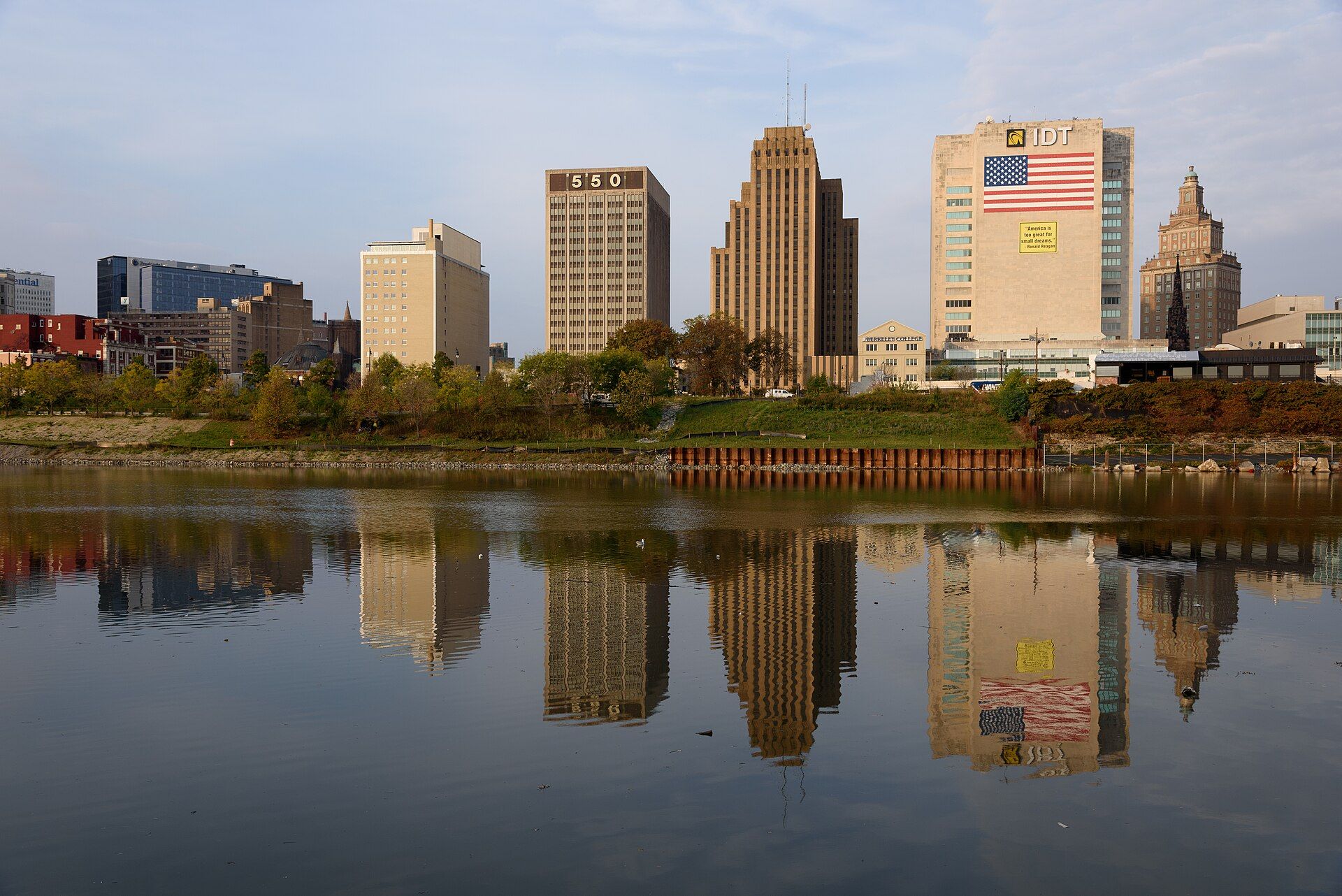
Newark has been adding housing downtown for the first time in generations. Former office buildings, banks and department stores have been converted to apartments with retail at the base, and new rental buildings have gone up around Broad Street, Penn Station and the university district. A conversion is a particularly good subject for a study, because it is in effect new construction inside an old shell, carried out with financing and documented month by month.
The Ironbound is a different kind of place, a dense neighborhood of three- and four-story mixed-use buildings with restaurants and shops at grade, where new five-story rental buildings have been filling the remaining lots. Around the port and the airport are the county’s warehouses, truck terminals and cold storage buildings.
East Orange, Orange and Irvington hold a large stock of prewar and mid-century apartment houses, elevator buildings of six stories and more along with garden apartments, many of them renovated in stages over the years. Farther out, Bloomfield, Montclair, South Orange, Maplewood and West Orange have added mid-rise mixed-use buildings beside their train stations, generally with structured parking and ground-floor retail. The western part of the county, along Route 10 and Eisenhower Parkway, is suburban office and retail property on large lots.
Records
Redevelopment projects in Newark are usually financed by banks and public agencies together, which produces thorough records: requisitions, change orders, inspection reports and a final cost summary. For the older apartment houses the study relies on what the owner has kept of roof, boiler, elevator, window and apartment renovation projects, along with the closing documents and the appraisal. Construction permits are held by each municipality’s construction office.
Common situations
A developer who has finished a conversion or a new building downtown and is holding it as a rental. An investor who has bought apartment houses in East Orange and is putting capital into them. The purchaser of an Ironbound building with a restaurant at grade, where the lease decides who owns the kitchen and its exhaust. The purchaser of a warehouse near the port. These are studied as new construction, as renovations or as acquisitions, and the services page describes each.
Site visits
Newark is reached by train and the rest of the county by car. In the older apartment houses the superintendent’s knowledge of what has been replaced is often the best guide to the building. Warehouse and industrial property near the port is visited during working hours by arrangement with the tenant.
The page on multifamily cost segregation describes the components typically examined in apartment and mixed-use buildings.
Other areas served
Highbridge Studies works throughout the New York City metro area, including New Jersey: Manhattan, Brooklyn, Queens, the Bronx, Staten Island, Westchester, Long Island, Jersey City and Hoboken, Bergen County, Monmouth County and New Jersey.