Highbridge StudiesNew Jersey
Cost segregation in New Jersey
Cost segregation in New Jersey covers a wider range of property than the five boroughs do: distribution buildings along the Turnpike, garden apartments in nearly every county, suburban office campuses, mill conversions and shore hotels. Highbridge Studies works throughout the state.

The buildings
New Jersey is one of the country’s principal distribution markets, and the warehouses along the Turnpike through Middlesex, Mercer and Burlington counties, around the port in Elizabeth and Newark, and in the Meadowlands are among its most valuable buildings. An industrial building is simple inside and extensive outside. Truck courts, trailer parking, heavy paving, site lighting, fencing, stormwater basins and utility runs are generally land improvements, and in a large distribution building they are a substantial part of what was spent.
Garden apartments are the state’s characteristic rental housing, found from Passaic County to Camden County, and their owners have typically put decades of roofs, boilers, windows, paving and kitchen replacements into them. The transit towns have added a newer kind of building. Morristown, New Brunswick, Rahway, Cranford, Somerville, Metuchen and many others have permitted mid-rise rental buildings with retail at grade beside their stations.
Paterson and Passaic have mill buildings converted to apartments and workspace. The office campuses of Morris and Somerset counties are being repositioned or rebuilt for other uses, and the shore counties hold hotels, motels, restaurants and seasonal rentals with a large share of furnishings and equipment.
Records
Construction permits in New Jersey are issued by municipal construction offices under the Uniform Construction Code, and municipal tax assessors keep a record card for each property with its dimensions, age and improvements. Both can be requested from the municipality, and both help where the owner’s files are thin. New Jersey’s depreciation rules differ from the federal rules in places, so the schedule delivered to your accountant shows state and federal treatment separately.
Areas with their own pages
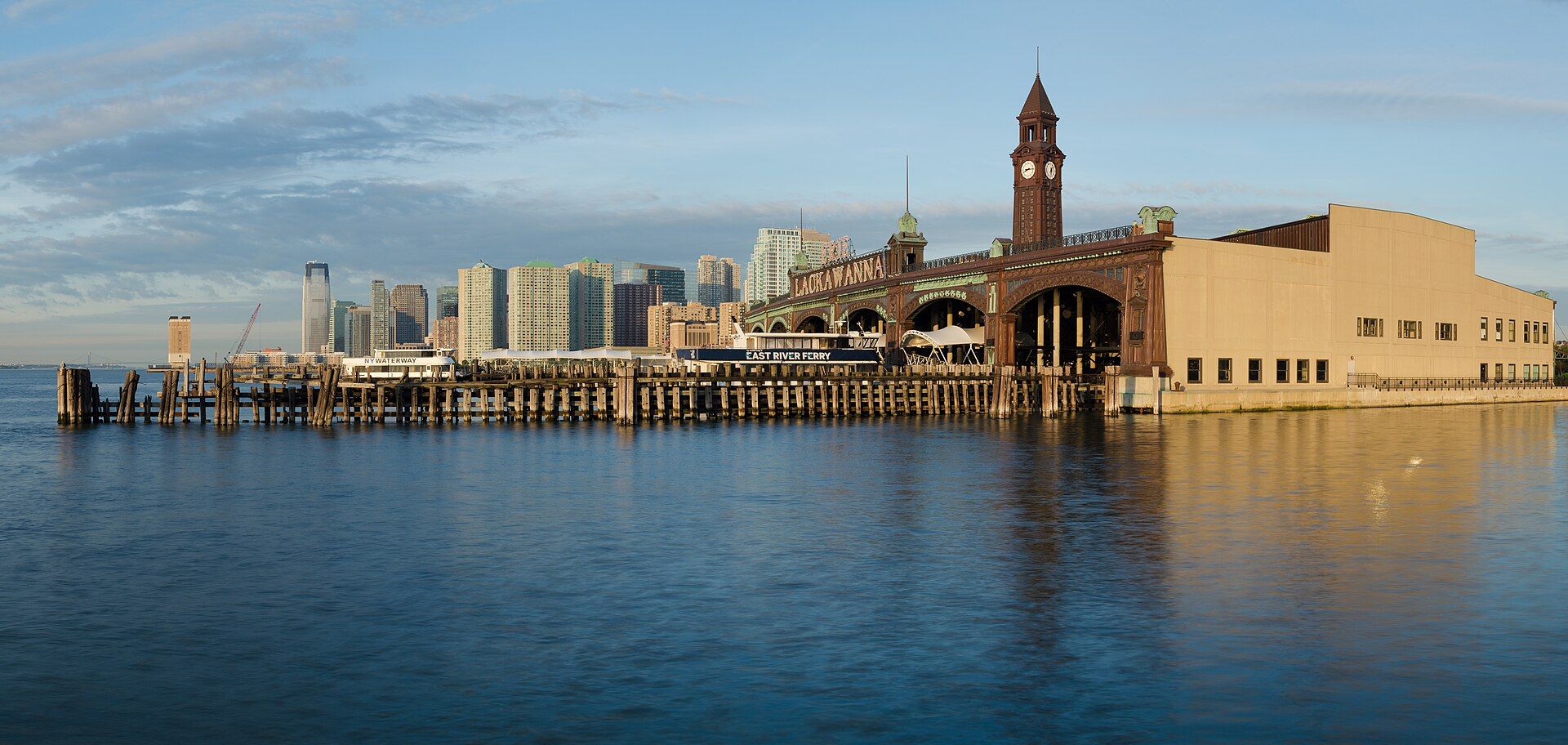
There are separate pages for Jersey City and Hoboken, Bergen County, Newark and Essex County and Monmouth County, which describe the building stock of each in more detail. The rest of the state is served in the same way. The services page explains how a study is approached for new construction, for a renovation and for an acquisition. The page on property types covers warehouses, retail, office and hotels, and apartment owners will find more on the page about multifamily cost segregation.
Site visits
The preparer drives to any part of the state. Large properties are recorded in full, grounds included, and tenants’ spaces are seen with notice through the owner. The firm takes half of its name from the borough of High Bridge in Hunterdon County, and it treats a building in Cape May or Sussex County the same way it treats one across the river from Manhattan.
Other areas served
Highbridge Studies works throughout the New York City metro area, including New Jersey: Manhattan, Brooklyn, Queens, the Bronx, Staten Island, Westchester, Long Island, Jersey City and Hoboken, Bergen County, Newark and Essex County and Monmouth County.