Highbridge StudiesBrooklyn
Cost segregation in Brooklyn
Cost segregation in Brooklyn covers more kinds of building than anywhere else in the city. Highbridge Studies prepares studies for brownstone rentals, prewar apartment houses, new construction and the borough’s converted industrial buildings.

The buildings
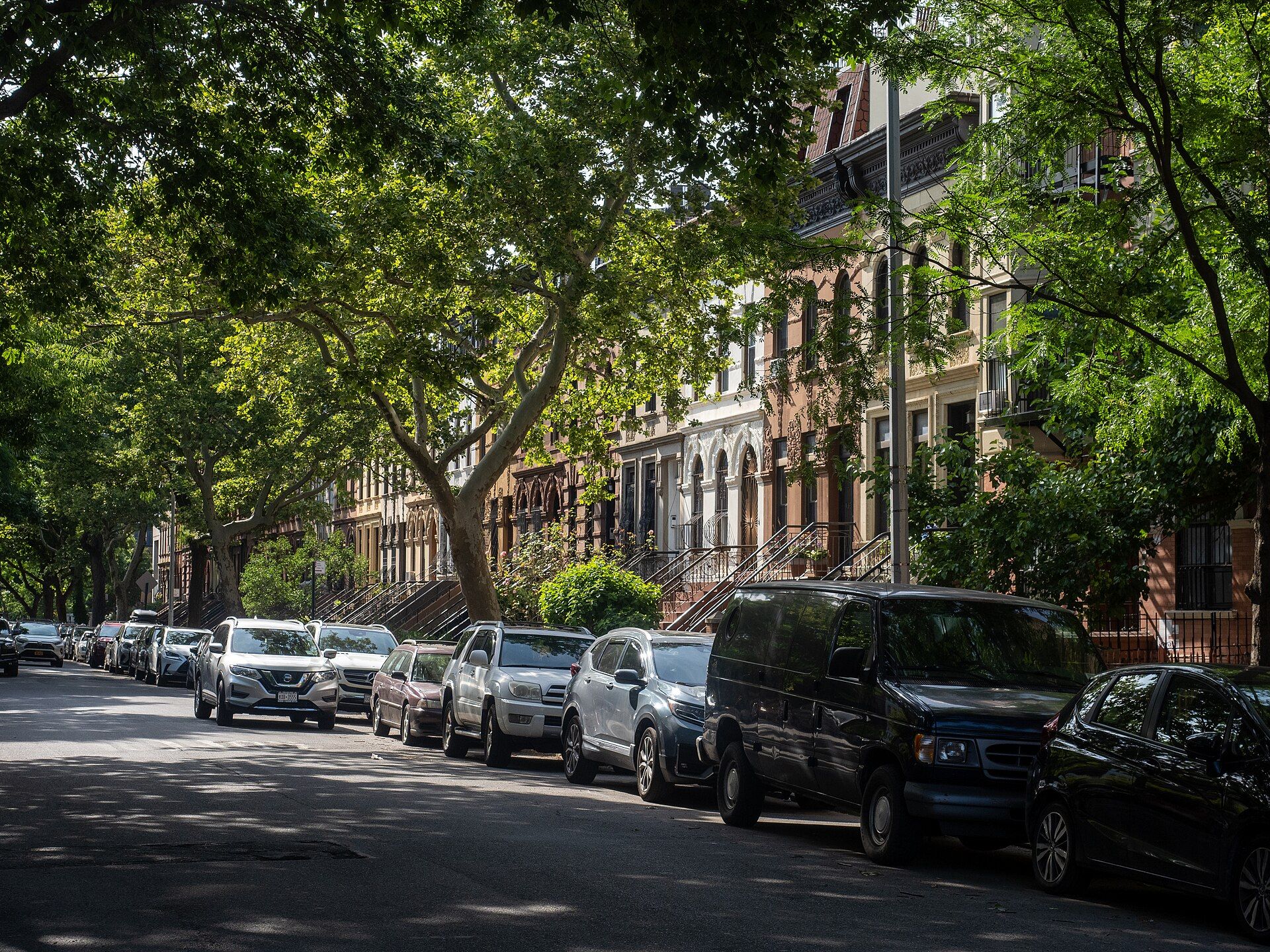
The brownstone belts of Park Slope, Fort Greene, Bedford-Stuyvesant and Crown Heights are full of row houses that have been gutted and rebuilt as three or four rentals. A gut renovation of that kind replaces nearly everything inside the party walls, and because the owner paid for it directly there is usually a contract, a payment schedule and a stack of invoices, even when the contractor was a small one and the paperwork informal. South and east of the brownstone neighborhoods are the prewar walk-ups and six-story elevator buildings of Flatbush, Midwood, Bay Ridge and Borough Park, many of them rent-stabilized and improved an apartment at a time.
Then there is the new Brooklyn. Towers have gone up in Downtown Brooklyn and along the Williamsburg and Greenpoint waterfront, mid-rise buildings along Fourth Avenue, and a great many small infill rentals on side streets in Bushwick, Bedford-Stuyvesant and Borough Park, often with a community facility or a store at grade. Most were built with a construction loan, which means that requisitions, change orders and inspection reports exist for every month of the job.
Industrial Brooklyn is its own subject. The warehouses of Sunset Park, Gowanus and East Williamsburg have been converted over the past two decades into offices, studios, storage and light manufacturing, with tenant fit-outs that may belong to the landlord or to the tenant depending on the lease.
Records
For a renovated row house the most useful records are often the plainest ones: the contractor’s proposal, the checks, and the invoices for kitchens, appliances and flooring bought directly. The Department of Buildings filing for the alteration and the new certificate of occupancy fix the date the building went back into service. New construction comes with a full set of requisitions. Older apartment houses come with whatever the owner has kept, supplemented by what can be seen in the building.
Common situations
An owner finishes a gut renovation, rents the apartments and asks the accountant how to depreciate what was spent. A developer completes a small new building, converts the construction loan and holds it as a rental. An investor buys a prewar apartment house as it stands. The first two are studied from construction records and the third as an acquisition, and both approaches are described on the services page.
Site visits
Small Brooklyn buildings rarely have staff on site, so access is arranged with the owner, and the visit takes in the cellar, the rear yard, the roof and as many apartments as can reasonably be opened. In larger buildings the superintendent leads the way. The preparer reaches most of the borough by subway and the rest by car.
For the components typically examined in an apartment building, and for the treatment of a store at grade, see the page on multifamily cost segregation.
Other areas served
Highbridge Studies works throughout the New York City metro area, including New Jersey: Manhattan, Queens, the Bronx, Staten Island, Westchester, Long Island, Jersey City and Hoboken, Bergen County, Newark and Essex County, Monmouth County and New Jersey.