Highbridge StudiesManhattan
Cost segregation in Manhattan
Cost segregation in Manhattan is mostly a matter of old buildings with long histories. Highbridge Studies prepares studies for the borough’s rental and commercial property, from tenement walk-ups to loft conversions and office floors.

The buildings
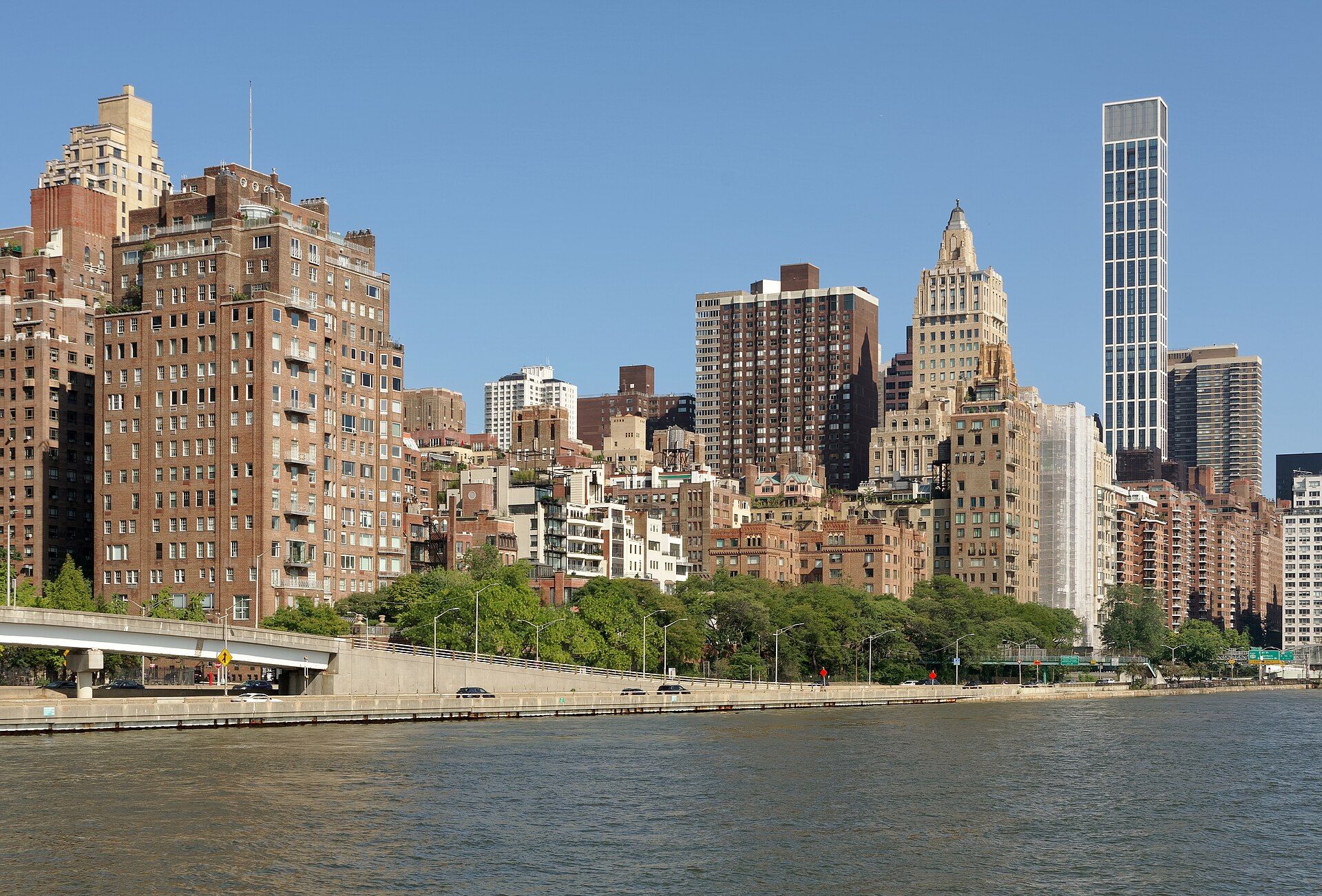
Much of Manhattan’s rental housing is a century old or close to it. The tenements and walk-ups of the Lower East Side, the East Village, Yorkville, Harlem and Washington Heights were built before the First World War, usually with stores on the avenue and apartments above, and nearly all of them have been altered many times since. The elevator apartment houses of the Upper West Side and Upper Manhattan came a generation later, and the white brick buildings of the East Side a generation after that. What these buildings share is that very little inside them is original. Kitchens, baths, wiring, boilers, windows and elevators have been replaced in stages, so a building bought today is a mix of components of very different ages.
Beside the residential stock there is a second Manhattan of loft and commercial buildings: the cast iron and masonry lofts of SoHo, Tribeca and the Flatiron district, the side-street office buildings of Midtown South and the Garment District, and the older towers of the Financial District that have been converting to apartments. Conversions are among the best documented projects in the city, because they are large, financed and closely supervised. Hotels, of which the borough has a great many, carry an unusual share of furnishings and equipment.
A good part of Manhattan is owned as cooperatives and condominiums, which are their owners’ homes and not the subject of a study. The buildings that are studied are rentals, commercial buildings, hotels, and the commercial or investor-owned units within condominium buildings.
Records
Manhattan owners tend to have more paper than they expect. Alterations are filed with the Department of Buildings, and the filings, together with the certificate of occupancy, help to date work that the owner’s own files no longer explain. Work on a landmarked building or in a historic district will also have passed through the Landmarks Preservation Commission. Rent-stabilized owners keep files for major capital improvements and for individual apartment improvements. For an acquisition, the appraisal and the lender’s property condition report describe the building as it stood on the day it changed hands.
Common situations
An investor has just closed on a walk-up and has an appraisal, a closing statement and little else. An owner has finished renovating a group of apartments, or a whole building, and has the contractor’s invoices. The owner of a commercial condominium unit or a small office building has fitted out space for a new tenant. Each of these can be studied, and the services page explains how the approach differs between them.
Site visits
A site visit here is arranged through the managing agent or the superintendent, who usually holds the keys to everything that matters: the cellar, the boiler and meter rooms, the roof and the bulkheads. Apartments are seen as the owner arranges, typically a few vacant or recently renovated units and enough occupied ones to confirm that the finishes are consistent. Commercial tenants are given notice through the owner. The preparer comes by subway and needs nothing from the building but a contact and access.
The page on multifamily cost segregation describes the components typically examined in an apartment building and how stores at grade are handled.
Other areas served
Highbridge Studies works throughout the New York City metro area, including New Jersey: Brooklyn, Queens, the Bronx, Staten Island, Westchester, Long Island, Jersey City and Hoboken, Bergen County, Newark and Essex County, Monmouth County and New Jersey.