Highbridge StudiesDepreciation classes
Depreciation classes
A building is not depreciated as one item. The tax law sorts it into classes: 5, 7 and 15 years for some parts, 27.5 or 39 years for the structure, and none at all for the land.

The short answer
- 5 years: appliances, carpet and vinyl flooring, window blinds, wiring dedicated to appliances, and furniture in a rental.
- 7 years: office furniture and property with no other class. Usually small or empty in a rental building.
- 15 years: land improvements, such as paving, walkways on the lot, fences, landscaping and site lighting.
- 27.5 years: a residential rental building and its structural parts.
- 39 years: an office, store, warehouse or other nonresidential building.
- Land: never depreciated.
Why the class matters
Depreciation spreads the cost of a building over the years it is used. The class sets how many years. A shorter class means the same cost is deducted sooner.
The shorter classes are also front loaded. The 5 and 7 year classes use a declining balance method that takes larger deductions in the early years, and the 15 year class uses a slightly slower version of it. The 27.5 and 39 year classes are straight line: the same amount every year.
On the federal return, property in a class of 20 years or less can generally also qualify for a full first-year write-off, which covers the 5, 7 and 15 year classes but not the structure. The cost segregation calculator gives a rough federal estimate of that first-year figure.
Without a breakdown, the whole cost of a building usually goes on the schedule at 27.5 or 39 years. A cost segregation study finds the parts that belong in the shorter classes and assigns each a cost.
The classes at a glance
| Life | What it covers | Examples in a rental building |
|---|---|---|
| 5 years | Personal property used in a rental | Stove, refrigerator, dishwasher, washer and dryer, carpet, blinds, furniture |
| 7 years | Office furniture, and property with no other class | Desks, chairs and files in an on-site management office |
| 15 years | Land improvements | Paving, walkways on the lot, fences, retaining walls, landscaping, site lighting, drainage |
| 27.5 years | Residential rental building | Walls, roof, windows, doors, plumbing, heating and cooling, general wiring and lighting, cabinets |
| 39 years | Nonresidential building | The same structural parts, in an office, store, warehouse or hotel |
| None | Land | The lot itself, and clearing and grading it for use |
Every item turns on how it is installed in your building. The examples follow the residential rental guidance in the IRS Cost Segregation Audit Techniques Guide.
5 year property
IRS Publication 946 lists appliances, carpets and furniture used in a residential rental as 5 year property. In an apartment building, that generally includes:
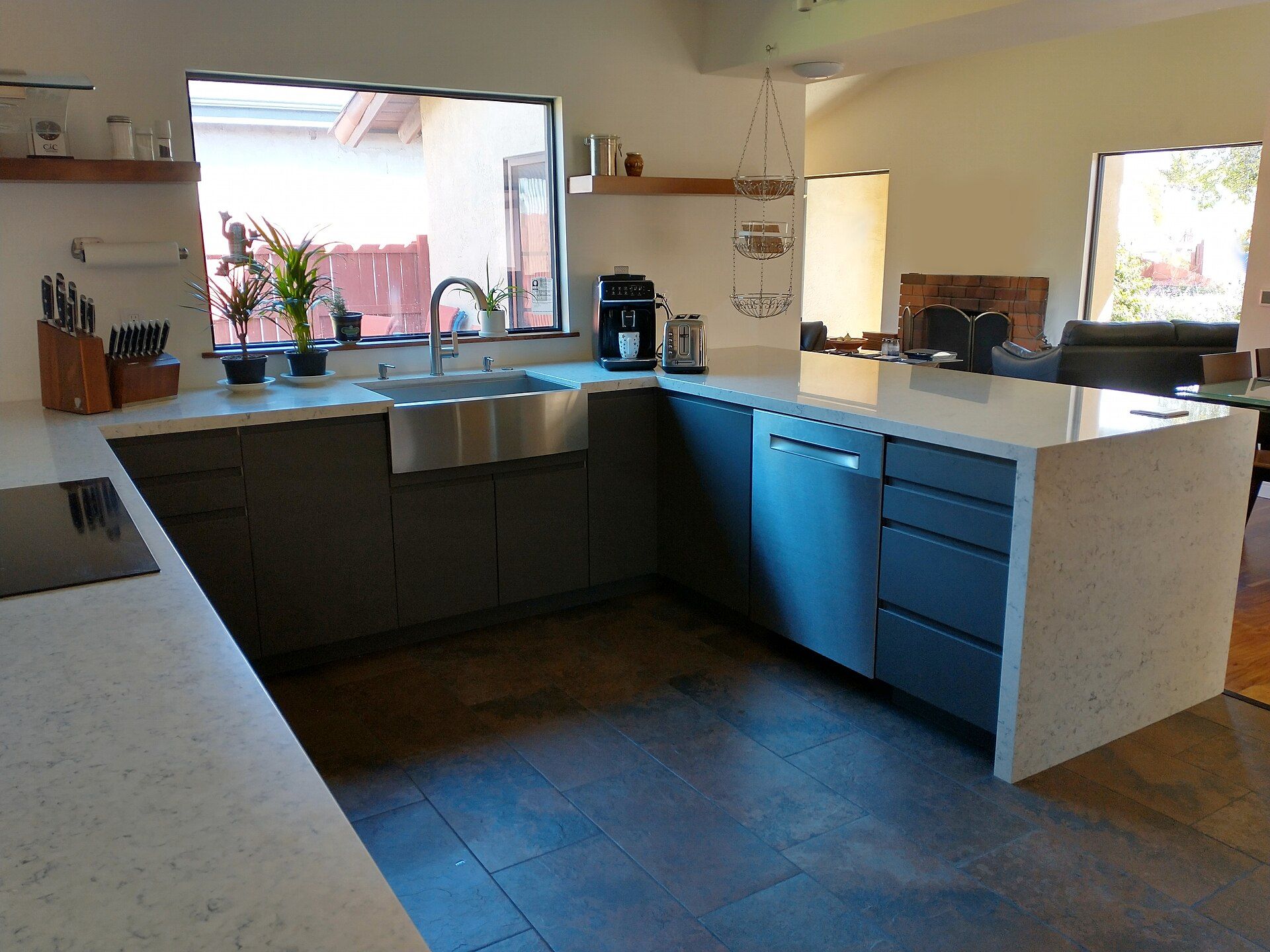
- Kitchen and laundry appliances: range, oven, refrigerator, dishwasher, built-in microwave, washer and dryer.
- Floor coverings that are not permanently attached: carpet, sheet vinyl, vinyl tile, and floating vinyl or laminate floors.
- Window blinds, shades and curtains.
- Wiring, outlets and gas or water hookups that serve only an appliance, such as the range or the dryer.
- Telephone, cable and data wiring.
- Decorative lighting, where the room would still be lit without it.
- Furniture and furnishings in a furnished rental or a lobby.

7 year property
The 7 year class holds office furniture and equipment, and any property that has no other class under the tax law. In a rental building it is usually small: the desks, chairs and files of an on-site management office, for example. A careful study does not fill it for the sake of it.
15 year property
Land improvements are the work on the lot outside the building. They wear out, so unlike the land itself they are depreciated, over 15 years. They generally include:
- Driveways, parking areas, curbs and walkways on the lot.
- Fences, gates, and retaining walls that do not hold up the building.
- Trees, shrubs and planting next to the building, and irrigation.
- Pole lights and path lights, and the wiring that feeds them.
- Storm drains and other site drainage.
- An outdoor pool with its deck and equipment, and outdoor courts.
The water, sewer, gas and electric lines that run from the property line to the building stay with the building under the IRS guide.
27.5 year property
A residential rental building is depreciated over 27.5 years. So are its structural parts, which the tax regulations list: walls, floors, ceilings, the roof, windows, doors, stairs, elevators, central heating and cooling, plumbing and plumbing fixtures, general wiring and lighting, and sprinklers.
The IRS guide also keeps several items in this class that are often assumed to be shorter lived:
- Kitchen and bathroom cabinets, counters, sinks and vanities.
- Built-in range hoods and garbage disposals.
- Ceiling fans, and the light fixtures that light a room.
- The water heater, the boiler and thermostats.
- Garage doors, building security systems, and smoke and fire alarms.
- Built-in shelving, millwork and trim.
39 year property
Nonresidential real property, such as an office building, a store, a warehouse or a hotel, is depreciated over 39 years. The shorter classes work the same way inside it.
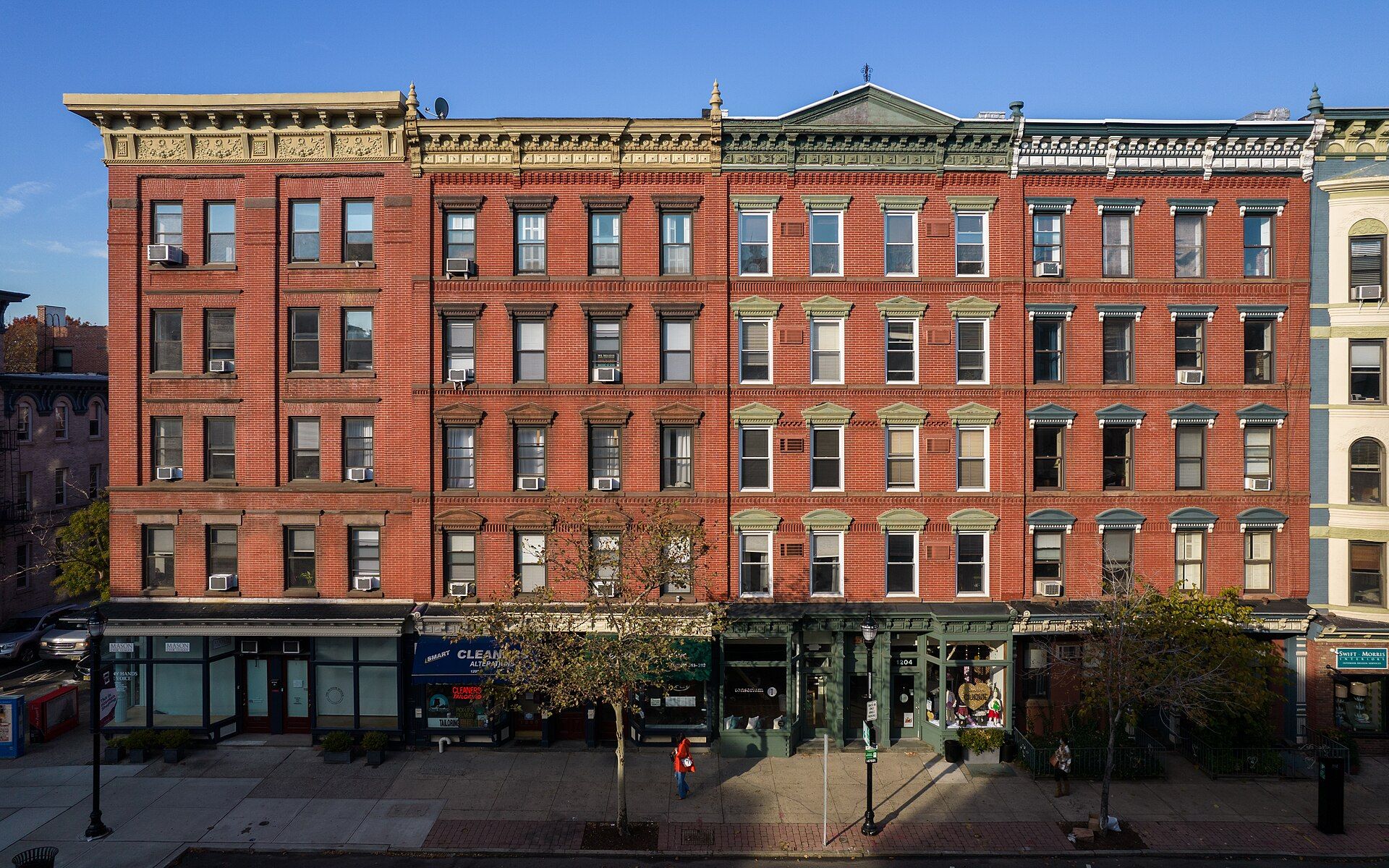
Mixed use buildings are common around New York City. A building with apartments over stores is residential rental property, at 27.5 years, only if at least four fifths of its gross rent comes from the apartments. If the store rent is a larger share, the whole building is 39 year property. Your accountant applies that test.
A building rented mostly on short stays can also fall outside the residential class. See short-term rentals.
Land
Land is never depreciated, because it does not wear out. When a building is bought, part of the price belongs to the land, and that part stays on the books until the property is sold. Clearing and grading the lot to make it usable is generally treated as part of the land too.
Around New York City the land is often a large part of the price, so the split between land and building is one of the first figures a study sets, from an appraisal where one exists.
How an item gets its class
Most items come down to three questions. Is it part of the structure of the building? Is it an improvement to the land? Or is it personal property that serves the tenants or the business, and could be removed without damaging the building?
The answer turns on how the item is installed, so the same item can fall in different classes in different buildings. Vinyl plank that floats is generally 5 year property; tile set in mortar stays with the building.
The IRS Cost Segregation Audit Techniques Guide has a list of residential rental items for its examiners, and says that where a return follows it, examiners should not make adjustments. Highbridge Studies classifies items against that list, and walks the property to see how each one is installed. More on why the approach holds up is on is cost segregation legal.
For your accountant
A cost segregation study assigns a cost and a depreciation class to each asset. How those figures are used, including first-year depreciation, state treatment and the effect on tax, is for your accountant to decide. New York State, New York City and New Jersey use the same classes but not the federal first-year write-off; see New York and New Jersey. For work done after purchase, see renovations.
Sources
- IRS Publication 946, How to Depreciate Property, for the classes, their lives and methods
- IRS Publication 527, Residential Rental Property, for rental buildings and land
- IRS Cost Segregation Audit Techniques Guide (Publication 5653), for how residential rental items are classified
- Internal Revenue Code section 168, for residential rental property and the class lives
- Treasury Regulation 1.48-1, for the structural components of a building
Questions
What are the depreciation classes for a rental building?
Generally 5 years for appliances, carpet and furniture, 7 years for office furniture and property with no other class, 15 years for land improvements such as paving, fences and landscaping, and 27.5 years for a residential rental building. A nonresidential building, such as an office or store, is 39 years. Land is not depreciated.
Is carpet in a rental 5 year property?
Generally yes. IRS Publication 946 lists carpets used in a residential rental as 5 year property, and the IRS guide treats carpet and vinyl flooring as not permanently attached. Hardwood, tile and stone floors that are glued, nailed or set in mortar stay with the building.
Is a new roof or boiler 5 or 15 year property?
No. A roof, a boiler and central heating and cooling are structural parts of the building. In a residential rental they are depreciated over 27.5 years, the same as the building.
Can land be depreciated?
No. Land does not wear out, so it is never depreciated. Improvements to land, such as paving, fences and landscaping next to the building, are a separate class with a 15 year life.
Is a building with stores on the ground floor 27.5 or 39 years?
It depends on the rent. A building is residential rental property, at 27.5 years, only if at least four fifths of its gross rent comes from dwelling units. If the store rent is a larger share, the building is 39 year property. Your accountant applies the test each year.
Do New York and New Jersey use the same classes?
Generally yes. The state returns use the same lives, so the 5, 7 and 15 year parts are still written off sooner than the structure. What the states do not follow is the federal first-year write-off. See New York and New Jersey.